Striped German Heirloom, 1.8 lbs, 2015

Striped German – an Heirloom, weighing in at 1.8 lbs!

I’ve been on a search for the perfect 8 oz tomato. I grow a lot of lovely heirlooms. German Pink, Dester, Stripped German. Beautiful, huge tomatoes. Some well over 1 lb. But not everyone at market wants to pay $3 or more for ONE tomato. So I’ve been looking for a medium sized red tomato with excellent flavor. What I really want is a red version of Valencia, which is a fantastic yellow/orange heirloom that I’ve been growing for the last two years. Read the rest of this entry »

IMG_20151003_181626watermarkOver the years, I’ve tried to find a “go to” recipe for most vegetables. A recipe that takes the vegetable from “I should eat this, its healthy” to “is there any more in the pan” status. Cabbage was a tough one for me. Cabbage is inexpensive. It shows up on the Environmental Working Group’s “Clean 15 List“. That is, vegetables that, even when conventionally grown, don’t have much pesticide residue. And, partially because it’s in the same family as broccoli, cauliflower and kale (the Brassica’s) its super healthy. Full of fiber, nutrition, and anti-oxidants. But, if cooked wrong, it can also be stinky and unappetizing. So, a few years ago, I was searching for cooked cabbage recipes that were not just good, but something I would look forward to. Read the rest of this entry »

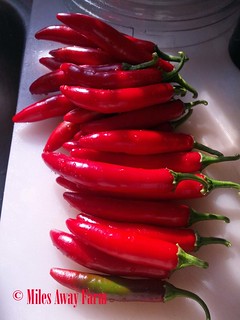
Ripe SerranosThat moment when you realize you are almost out of garlic chili sauce. And then the dawning realization of “how hard can this be, really, to make?” given that you are staring at a pile of ripe serrano peppers on your counter. The ingredients on the side of the jar are chilies, garlic, salt and vinegar, plus preservatives to make it shelf stable. Read the rest of this entry »

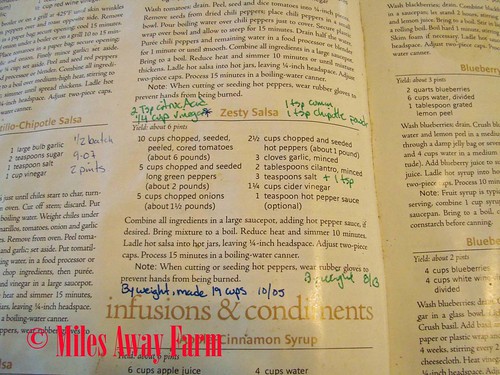
ZestySalsa

For ALL canned foods, take off the metal ring holding the lid on after your product has cooled. This way, if the cap should come off in storage because the seal failed, or because something is fermenting in there and creating gas when it shouldn’t, you’ll know right away.

Original Ball Salsa Recipe

Original Ball Bluebook recipe.

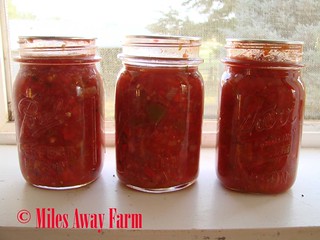
We’re knee-deep into tomato season, and I’m putting up salsa 20 cups at a time. There are a lot of things you can do with home-grown tomatoes to preserve them for the rest of the year, from drying them to roasting them into fantastic freezer sauce to putting them up in pints and quarts to making barbecue sauce. But the number one thing we do with tomatoes (and chilies and onions) is make canned salsa. My husband thinks of salsa as a food group, so we go through a lot of salsa. Read the rest of this entry »

Commercial KitchenBeen a while since I posted. Late July into all of August is a marathon for us here on the farm. Not only are we doing 2 to 3 farmers markets a week, dealing with the heat, and trying to keep up with harvests and toiletry product production, but we’re trying to preserve food for our own consumption this winter. So batches of green beans and corn and kale get blanched and frozen, tomatoes get roasted, pureed and frozen or canned, rabbits get harvested for winter stews. It’s an abundant time. But its also a stressful time. Read the rest of this entry »

DSC08839watermark

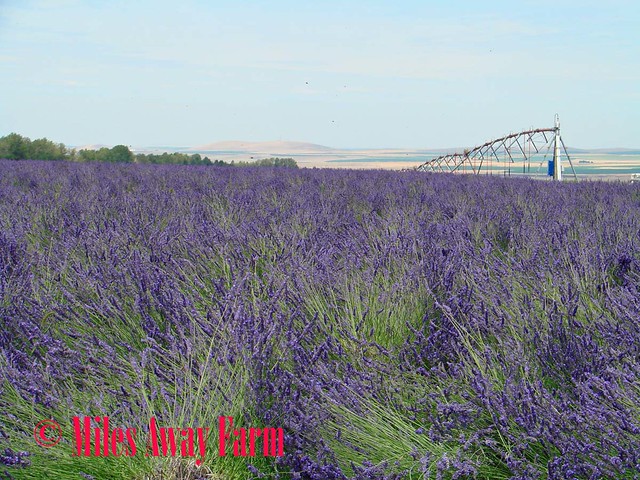
Lavender field, ready for harvest.

I’m all about sourcing local when I can, both for my own use, and for products that I sell. But soap, in particular, is difficult to source ingredients for locally. Coconut oil, nope. Palm oil, nope. Olive oil…well, I could get it from California if I wanted to pay 3 times the price. Other than the local bees wax in my products, and the few that contain locally sourced lard or tallow, not much of my cosmetic line can be locally sourced. But, last fall, my husband and I visited the SAGE (Sustainable Agriculture and Energy) Center in Boardman Oregon, just 80 miles south of us, and toured their educational exhibits. The place is dedicated to learning about modern agricultural practices on the Columbia Basin. This is big ag, not small 5 acre mom and pop farms. But its an interesting and interactive exhibit, and well worth the visit, especially if you have kids. Read the rest of this entry »

Well, June just flew by, didn’t it? Sorry for the long delay. It’s been a crazy month. Here’s what we’ve been up to.

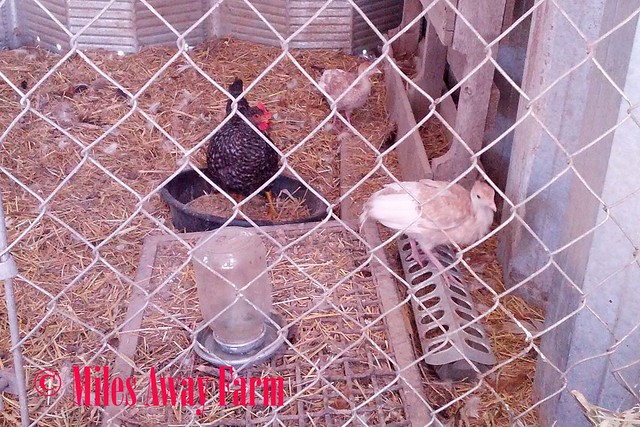
Surviving Turkey Babies

The two surviving turkeys, and one of the surviving hens, in the “play pen” area, where they can eat chick food without being bothered by the adults.

When I incubate poultry in the spring, I start with the ducks, then do the chickens, then do the turkeys. Ducks and turkeys take 4 weeks to incubate. Chickens only need 3 weeks. Ducks are much more hardy, and grow incredibly fast, so they can go first and be put out in the poultry yard at 4 weeks. Then the chickens, timed so that when they are about 4 weeks, its warm enough for them to go out into the “play pen”, which is a separate walled off area in the poultry house with a warming light. Then its the turkeys turn. The fertility of the turkey eggs is higher later in the season, but if the timing is right, they still get 6 months to grow up before Thanksgiving. Read the rest of this entry »

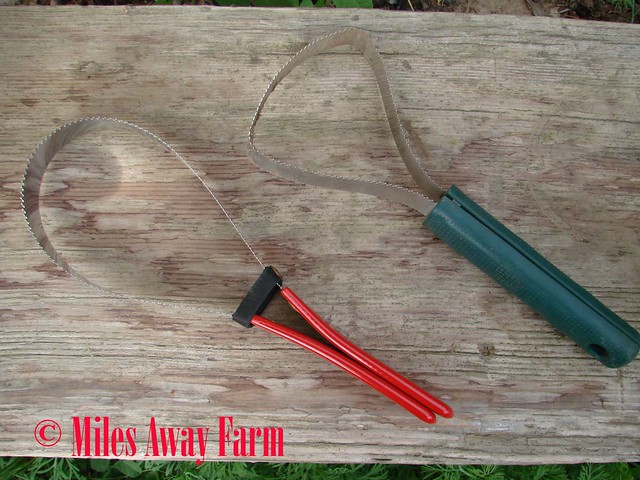
DSC08753watermarkSo, the larger your garden, the more weeds, right? I have a large garden, but I don’t own a tractor, so I still tend to plant more along the lines of the square foot gardening method rather than the traditional “x spacing between each plant, x spacing between each row”. Those back of the seed package guidelines, by the way, are based on spacing if you DO have a tractor. I can get a lot more plants into a lot smaller space this way, which makes my life easier and gives us more pasture for sheep forage as well. Read the rest of this entry »

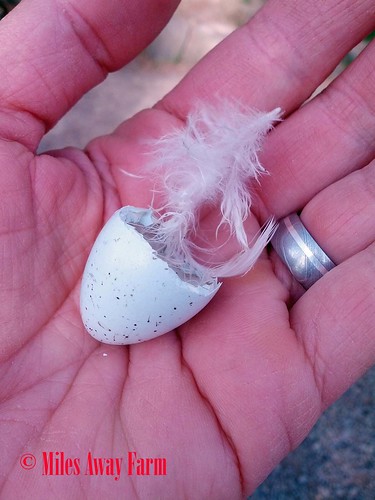
Robin Eggshell Find

I always feel a bit like a small child who has found a small miracle when I find one of these. From a just hatched robin nest, no doubt.

Today was a perfect day to be a farmer, and a homesteader, and a business woman, and a human alive on the planet. Read the rest of this entry »

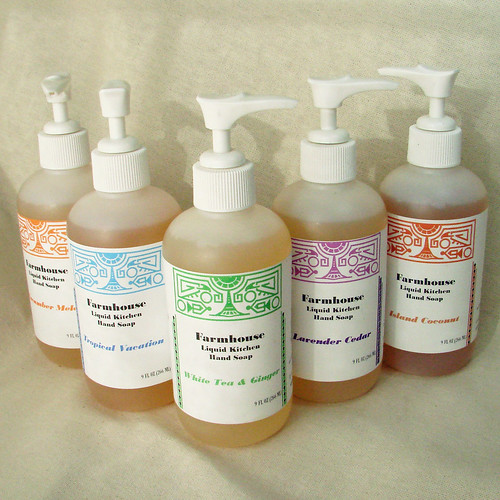
LiquidSoap

Coconut, Sunflower and Castor oil. A nice combination.

For those of you with no interest in making your own liquid soap, you can stop reading now. Next week we’ll be back to our regularly scheduled programing of gardening, homesteading and cute animal pictures. Wink.

Edited 4/25/15 to add: This blog is MY opinion and MY experience with liquid soapmaking. I’ve had several readers point out that they have had different experiences from mine (with adding salt to thicken, and with the Soaping 101 glycerine liquid soap video, for example). Please note: YOUR MILEAGE MAY VARY. Feel free to experiment! Please share your differing experiences and understanding of the chemistry in the comments. That’s how we all learn from each other. This isn’t meant to be the final word on the subject. It’s just my own personal understanding and experience.

Questions about how to get started with liquid soapmaking come up a lot on some of my soap making groups, and I remember how hard it was to get a handle on it all when I started making my own, despite the fact that I’d been making cold process bar soap for years. I find myself writing out long-winded answers over and over again. So I thought I would do a bit of a brain dump on some of the fundamentals to get new liquid soapers started. Note: what this is NOT is a step by step guide to making liquid soap. If I were going to do that, I’d write an ebook. Also, apologies for lack of pictures. This is mostly an informational post. Read the rest of this entry »

Jennifer Kleffner

Follow the Farm On Instagram

Instagram

Enter your email address to subscribe to this blog and receive notifications of new posts by email.

Join 1,285 other subscribers