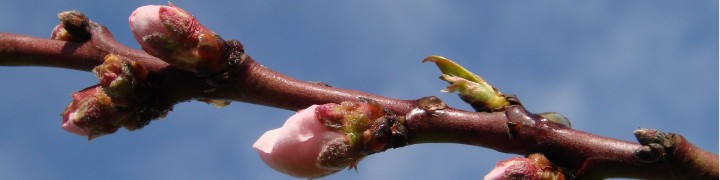
Yup, August is for Tomatoes! Most of this was sold through Hayshaker Farm.

When we’re in the height of tomato season, there’s always a bit of “tyranny of produce” happening in our house, as flats of long awaited tomatoes start to stack up on counters, chairs, chest freezer lids… you get the idea.

I’ve learned over the years to rotate which preserved foods to focus on year to year, as we often don’t finish up all of last year’s bounty by the following year. So one year I might make BBQ sauce and a lot of salsa. Another I might focus on tomato soup and simple canned tomatoes. Every year I make a few batches of roasted tomato sauce for the freezer.

And lately, every year I make a very concentrated batch of tomato paste, which I call Conserva – though technically, Conserva in Italian just means preserved. And according to Hank Shaw, who’s recipe I am documenting here, I’m really taking Conserva to the next level, which is ‘Strattu (short for estratto, which translates as extract).

Read the rest of this entry »
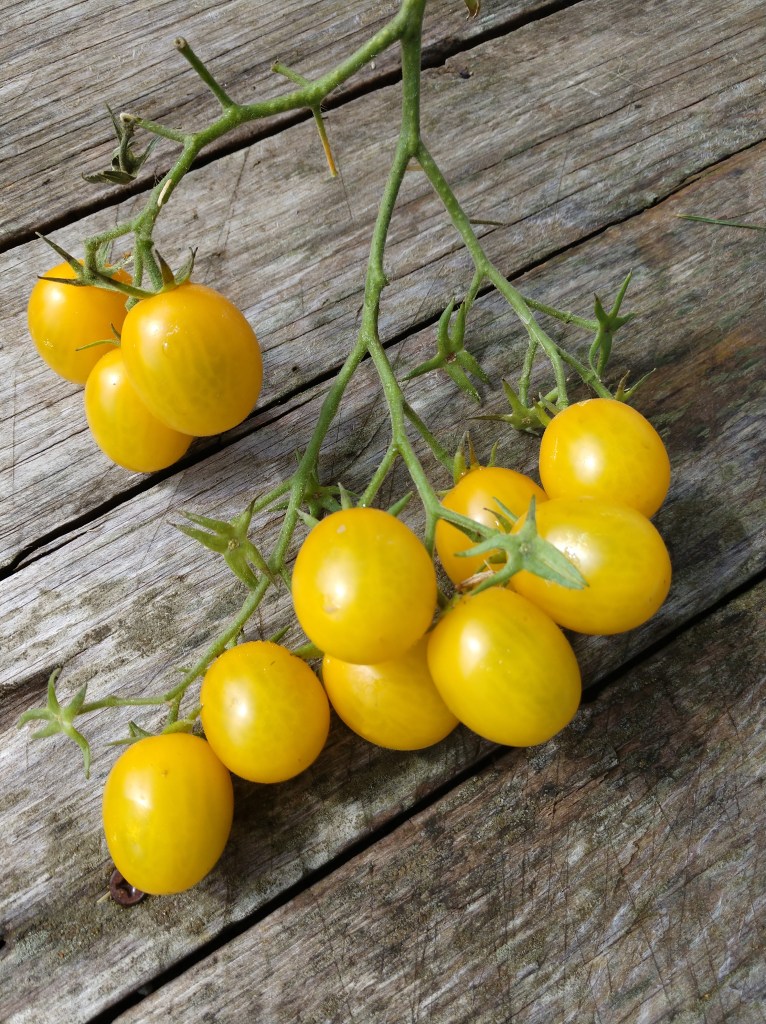
Esterina yellow cherry tomato

Well, tomato season is FINALLY here (we’re late this year due to our cool spring), so I thought the next in the series on garden plant families should be Solanaceae – better known as the Nightshade family.

Read the rest of this entry »
Catnip in bloom. One of the best things about this plant family is that bees seem to love them ALL.

This is a continuation in the series on garden plant families. The first installment, on the Brassicas – aka mustards – aka crucifers, can be found here.

Today we’re here to talk about the mints (Lamiaceae – which includes MANY of our herbs). Reminder: as a companion to this series, I highly recommend the brilliant book Botany in a Day. The Patterns Method of Plant Identification by Thomas J. Elpel.

Read the rest of this entry »
Broccoli, gone to seed and slowly being buried in aphids, a frequent pest.

When identifying plants, people tend to know the names of the individual species. This is echinacea. This is lemon balm. This is a tomato. We rarely step back and ask, what do certain plants all have in common? But this information can be SUPER useful, both in areas such as plant identification, and for things like crop rotation from year to year. So, at long last (I’ve had this idea for years) I’m writing a series on culinary plant FAMILIES.

Read the rest of this entry »

With the changing landscape that is Covid-19, a LOT of people have returned to gardening, or put in a new garden for the first time this spring. Stories of empty seed racks and searches for local compost abound. Because feeding yourself is powerful in these uncertain times.

Because I’m part of several Facebook groups for local farmers and gardeners, I’m seeing a lot of newbie questions and common mistakes. So I put together a list of my top 10 things I wish beginning gardeners knew, in no particular order. This isn’t a definitive list. But it is a place to start if you’ve never grown a plant that you’ve then eaten in your life!

Read the rest of this entry »
Sprouted onions from the latest cull, on May 21st. While these can still be used, I find the flavor changes significantly once they have sprouted, so they normally are enjoyed by the sheep instead.

Back in late October 2019, I reported on the grow out of 7 different onions; 6 yellow storage onions (5 open pollinated and one hybrid as a control) and one red storage onion, in this post.

I kept the 10 largest onions from each variety (except the red), and put them into storage in my garage pantry, where the temperature never gets down to freezing, but is otherwise unregulated. In short, typical of most home storage. The room tends to be 10-20 degrees warmer than the outside temp in the winter, and cooler than outside but warmer than the house in the summer.

Read the rest of this entry »

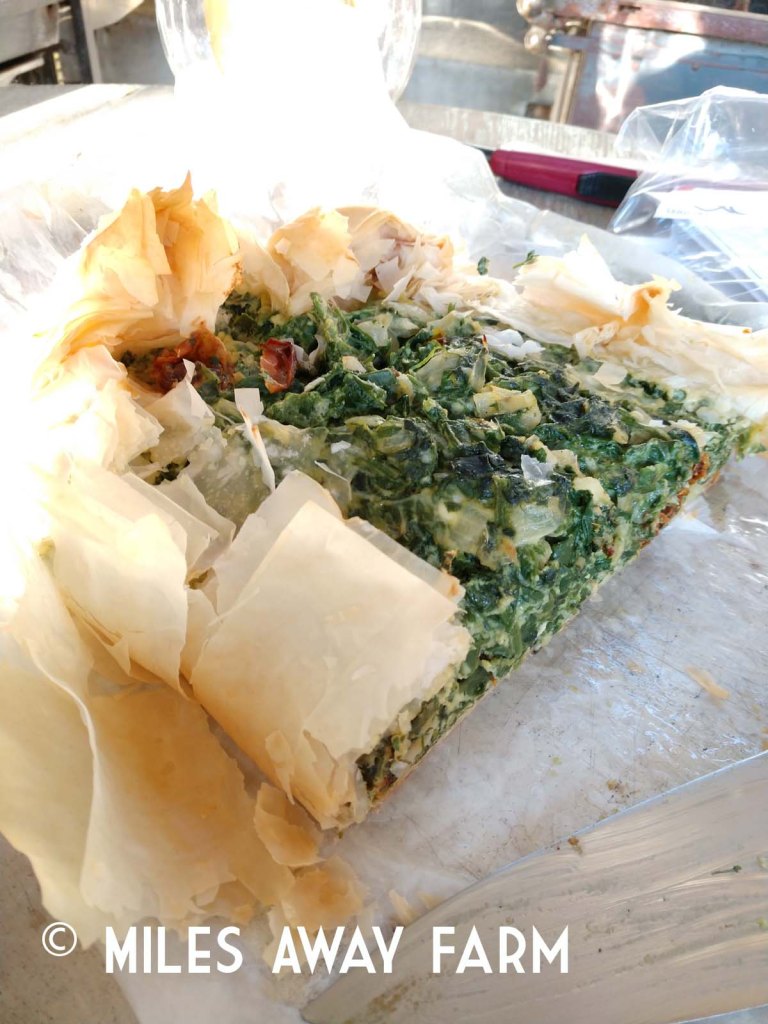
I don’t remember when I first started eating spanakopita, a Greek “spinach pie” traditionally made in individual phyllo wrapped triangles. It took me years to learn to really enjoy eating greens, so I would have avoided it in my twenties, but I’m sure I had it in a Greek restaurant at some point and thought, this is actually pretty tasty.

But all of that pastry brushing of butter onto phyllo dough, the amount of butter involved, and individually wrapping each “pie” kept me from making them at home for a very long time. And then I found this recipe in Eating Well magazine (December 2008). They had an option for making one large tart rather than individual tartlets, and I thought, that’s probably worth a try.

Read the rest of this entry »

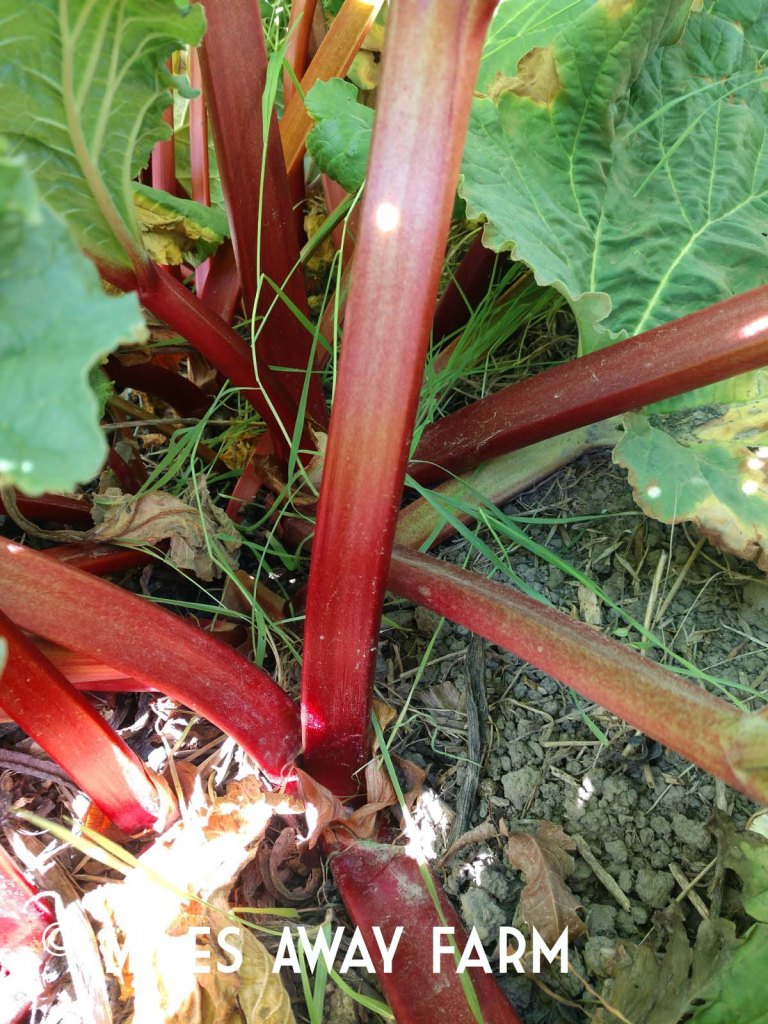
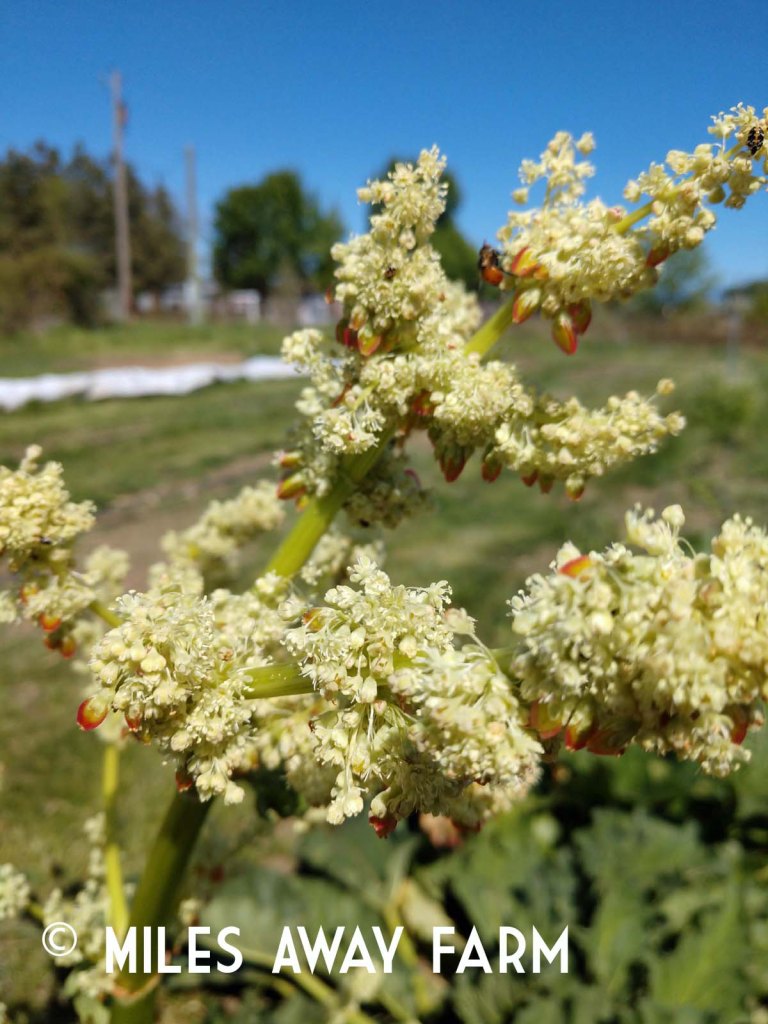
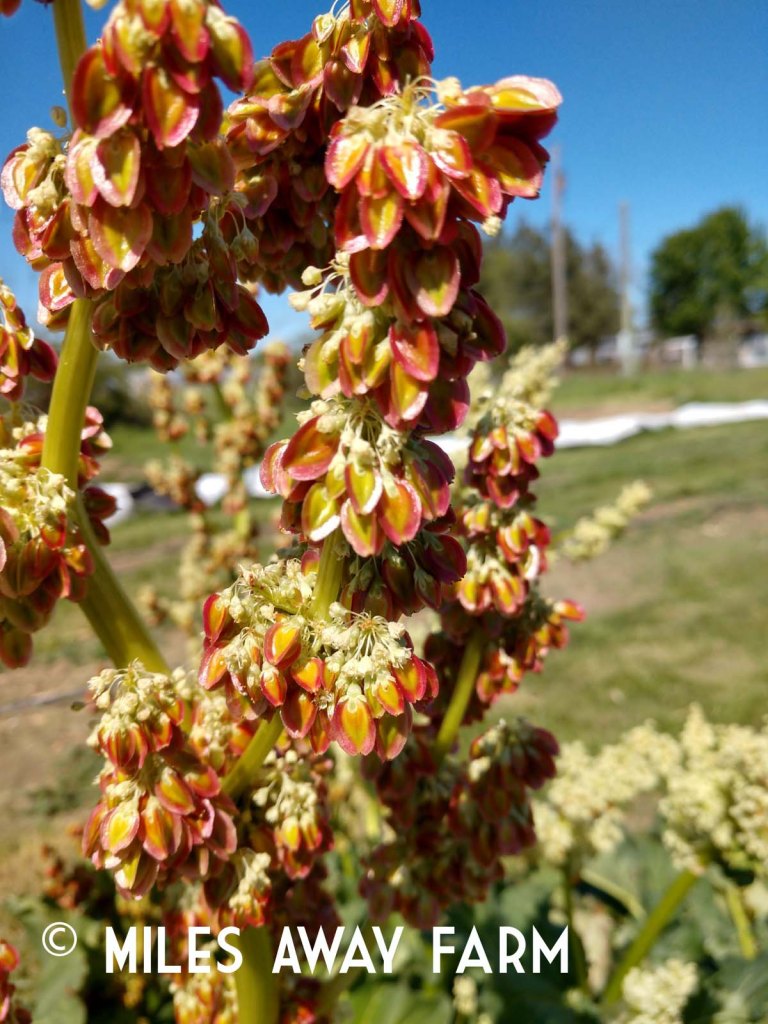
Rhubarb is an interesting plant. A perennial in the family Polygonaceae (buckwheat family) that dies back to the ground in winter, it can often be found growing on old homestead sites, when the homestead itself is long gone. Grown for its tart stems, which can vary from all green to a deep red, its large leaves contain high amounts of oxalic acid (also found in much lower quantities in spinach) and anthrone glycosides, which can be toxic. Though you’d have to eat many pounds of the leaves in one sitting to actually poison yourself. My sheep love the leaves and have done damage to more than one fence to reach my plants.

Read the rest of this entry »
Sourdough crackers, salami from our trip to Seattle in early march, a bit of leftover quince jam from last fall, and homemade farmer cheese.

I’ve written several blog posts (here and here) about my adventures in sourdough. But then, as I’ve aged, I’ve found that I have a lot less aches and pains when I don’t eat gluten. So I’ve become one of THOSE people, who mostly doesn’t eat wheat. And because of that, I’ve mostly stopped baking (though I do really like this paleo pizza crust and I occasionally make this gluten free bread).

And then coronavirus hit. And in a nostalgic mix of “baking = comfort” and “OMG stores are sold out of flour and yeast” panic, I bought a 50 lb bag of Smalls Family Farm unbleached all purpose flour from Andy’s. I figured I could always bake for the neighbors. This also necessitated me scrubbing out and bleaching several 6 gallon plastic buckets that originally contained coconut oil for soapmaking, but had been repurposed to hold grain for sheep or other random farm uses.

Read the rest of this entry »

I’ve been a subscriber to the Nutrition Action Healthletter for years and years. This recipe originally appeared there, as a quick healthy easy weeknight dinner. They called it “Chicken and White Bean Cassoulet”, but since the bulk of the recipe is cabbage, not an ingredient one would find in any traditional French Cassoulet, I renamed it.

Read the rest of this entry »

Jennifer Kleffner

Follow the Farm On Instagram

Instagram

Enter your email address to subscribe to this blog and receive notifications of new posts by email.

Join 1,285 other subscribers